
Bit By a Dog in Nepal
The Weekly Frame #25: April 30th, 2026

Hi friends,
I had this whole edition mapped out as a dispatch from a teahouse somewhere on the Manaslu Circuit. Suspension bridges. Yak caravans. Maybe a photo of dal bhat at 3,500 meters with terrible wifi.
Instead, I'm writing from a hotel in Kathmandu with a small cut on my finger.
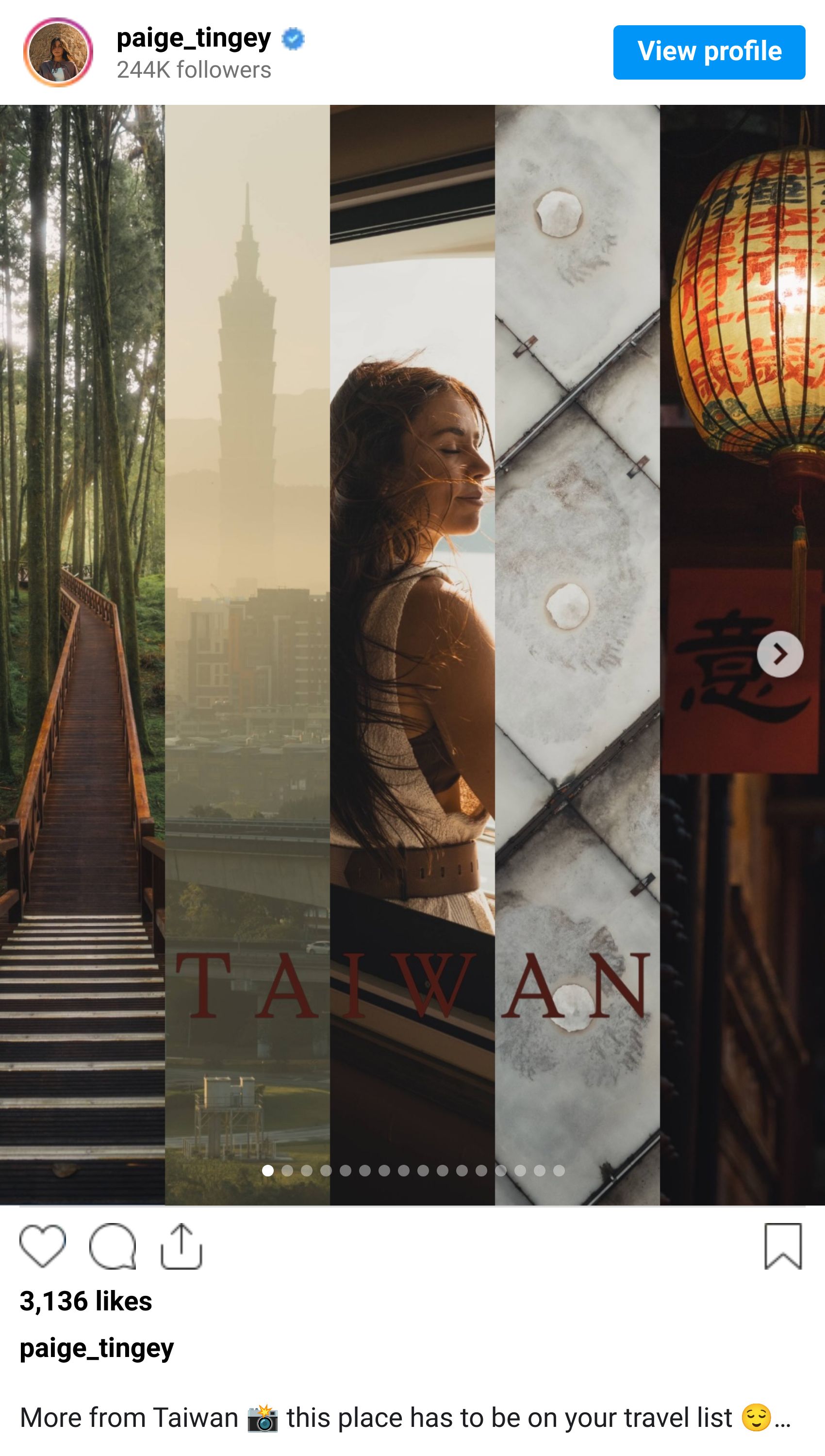
More on Nepal in a minute. Before I get into what happened, a few frames from Taiwan.
The first two days of the trek were everything I'd hoped for. Brutal in the best way. Karlie (@karlieplace) and I were getting pushed harder than either of us expected, but we were both still grinning about it.
There were lots of dogs on the trail, mostly ignoring us except to occasionally beg for food.
On the morning of day three, I was walking past a small dog standing on a narrow stretch of trail. As I got close it nipped me. It barely registered because the bite didn't actually hurt. Then I looked down and saw a small break in the skin.
Anywhere else, it's a clean it up and keep walking situation. But Nepal is one of the highest-rabies-risk countries in the world, and rabies isn't something you gamble on. I was advised to get to a hospital within 24 hours, and we were days from the nearest clinic.
A few hours later I was in a helicopter watching the Himalayas shrink underneath me, which is not how I'd pictured leaving Manaslu. By that evening I was at a clinic in Kathmandu starting the rabies vaccine series and a tetanus shot. I'm doing fine. Genuinely. Very glad we made the right call, even if I'm sad I won't get to finish the trek to Manaslu Basecamp like I'd hoped.
A huge thank you to @ecuatraveling who I was traveling with on this trip. They went above and beyond helping me figure out what to do, and made the whole thing as smooth as it could have been. If you're planning a trip to Nepal or anywhere else they operate, I'd recommend them without hesitation.
Nepal is enormous and full of things to do, and I'm not flying home with a story like this and not finishing on something good. Tomorrow I start a new adventure, and I'll have more to share next week.
In the meantime, between hospital visits and re-routing the trip, I've been editing some of what I shot in the first two days. Which brings me to this week's tip.
Tip of the Week: The Color Grading Panel Is Where the Cinematic Look Lives

If your edits have ever felt technically correct but visually flat, this is almost always the panel that's missing.
The Color Grading panel sits a little further down in Lightroom and uses three color wheels: one for shadows, one for midtones, one for highlights. Each wheel adds a color tint to that specific tonal range. Pull the shadow wheel slightly toward teal and your darks pick up that cool, cinematic depth. Push the highlights wheel toward warm orange and your sky and skin get a sunlit glow.
A few things that make this panel actually work:
Move slowly. Tiny shifts go a long way. If your color grade is obvious at a glance, it's almost certainly too much.
Use Luminance and Blending. Each wheel has a small Luminance slider (lifts or darkens that tonal range) and the panel has a Blending slider at the bottom (controls how the three ranges overlap). These are where the polish lives. Lower Blending if you want the shadow and highlight tints to stay separated. Raise it if the transition feels harsh.
Pair complementary colors. Teal shadows and orange highlights work because they're roughly opposite on the color wheel. So do magenta and green, or blue and yellow. Same logic applies; pick a pair, push them gently in opposite directions.
Try this: Open a landscape shot you've already edited and skip your usual saturation moves. Go straight to Color Grading. Push the shadow wheel slightly into teal, the highlight wheel slightly into orange, and lower the saturation of each just enough that the tint feels like atmosphere, not a filter. That single panel will do more for the mood of the image than a dozen other sliders.
What's Happening in Photography Right Now

Adobe ships its April 2026 Lightroom update. The headline feature for Lightroom Classic is that AI Denoise now runs in the background, so you're no longer locked out of the app while batches process. The release also adds Film-Inspired Premium Presets, Firefly Mood Boards integration, and smarter Assisted Culling that handles shallow depth-of-field images more accurately. Lightroom Desktop gets expanded natural language search and the ability to set "Edit in Photoshop" parameters before sending files over. A solid quality-of-life update for anyone who lives in the Develop module.
Jeff Bridges' WideluxX panoramic film camera opens for pre-orders. The hand-assembled, all-mechanical 35mm panoramic camera is now available to reserve, with the first run capped at 350 units and shipments scheduled six to eight months out. It uses a 26mm f/2.8 swing-lens design that produces 24×58mm frames with a 140-degree angle of view, and pricing comes in at $4,400 plus shipping. A genuinely strange object in the best way: a fully analog tool revived by a Hollywood actor and a German team after the original blueprints burned in a 2005 factory fire.
Creator Highlight: Renan Ozturk (Adventure Photographer & Filmmaker)

Renan is a climber, painter, photographer, and filmmaker whose work centers on the Himalayas, the American Southwest, and the line between expedition documentation and visual art.
He was on the team that climbed Meru's Shark's Fin with Conrad Anker and Jimmy Chin, and his still and motion work from that climb is what gives the film its texture. He's spent more time in Nepal than almost any working Western photographer of his generation, and his images of Khumbu, Annapurna, and Mustang reflect a relationship with the country built over years, not assignments.
What I keep coming back to in his work is the painterly quality. He started as a landscape painter and you can see it in how he treats light, especially in moments where the conditions are difficult and most photographers would put the camera away. His feed is a mix of climbing, cinematic landscape, and slow, patient observation, and it's worth following if you appreciate photographers who treat the mountains as a long-term subject rather than a backdrop.
Gear Worth Mentioning: Garmin inReach Mini 3 Plus

If this trip taught me anything, it's how quickly a situation can change in the backcountry.
The inReach Mini 3 Plus is a small satellite communicator that fits in a jacket pocket and lets you send and receive text messages from anywhere on the planet, no cell service required. There's also a one-button SOS function that connects directly to a 24/7 search and rescue coordination center. It's the kind of gear you hope you never use and are very glad to have.
The Mini 3 Plus is the latest generation, and it's a real step forward from the Mini 2 most people are familiar with. Color touchscreen instead of the old button-only interface, voice messaging and voice-to-text for situations where typing isn't realistic, photo sharing through the Garmin Messenger app, and around 330 hours of battery life in tracking mode (enough for a multi-day trip without rationing power).
It runs on a subscription plan and weighs about four and a half ounces. It’s worth considering for anyone who travels somewhere a clinic isn't a phone call away.
(Full transparency: I earn a small commission through this link. It helps keep this newsletter free and my coffee mug full. Thanks for supporting!)
One More Thing…

That's it for this week. By the time this hits your inbox I'll be on a new adventure, hopefully a slightly less eventful one, with a healing finger and a new appreciation for travel insurance (fingers crossed).
Some weeks the photography is the story. Some weeks the photography is the thing that gets you through the actual story. This was one of those weeks, and I'm grateful I had two beautiful days on Manaslu to come away with.
This week's question: Has a trip ever fallen apart on you and given you something better than the original plan would have? I'd love to hear about it.
See you next week,
Paige
P.S. Curious how I edit my photos? These are the exact presets I use for almost every travel & landscape shoot (designed for both mobile and desktop).
P.P.S. Some of my most popular travel and landscape shots are available as prints through Big Wall Decor. If you've ever wanted one on your wall, check them out here.